A two piece wedding dress anyone?

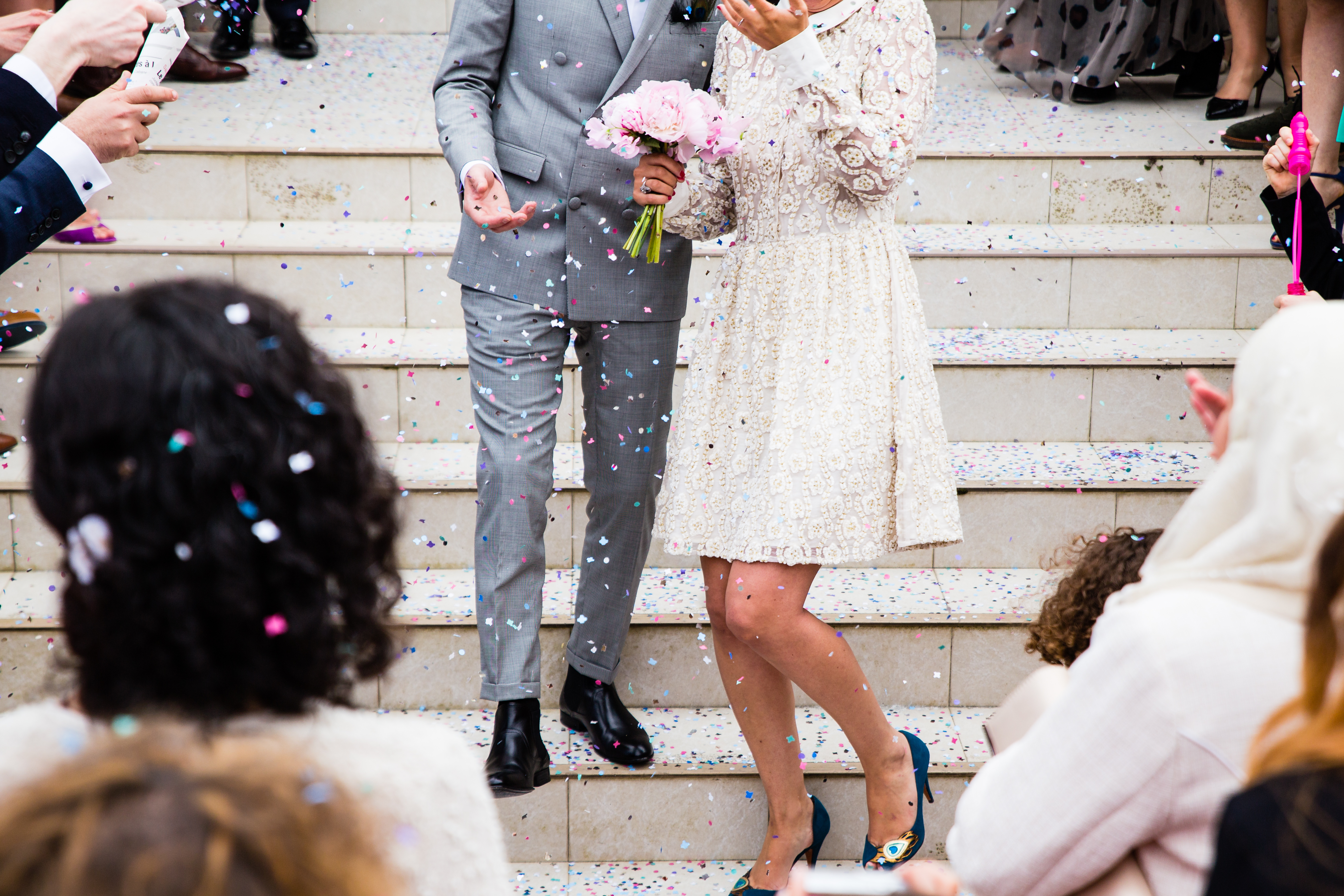
Last month I was conducting a wedding at a country house in the idyllic South Staffordshire countryside.  As is always the case, the bride and I have a chat before the wedding and once the practicalities have been covered the conversation usually ends with a thorough (and often more interesting!) dress and hair discussion.  I commented on how unusual (in a good way) her dress was and without a moment’s hesitation the bride told me that her dress was in fact a separate top and skirt.  The top she informed me she had bought from Oasis and the skirt from Coast.  This got me thinking about how most brides wear dresses usually sourced from designer wedding dress boutiques.  Whilst these dresses are always beautiful they do usually some with a very hefty price tag.  Given that wedding dresses are usually only worn once,  it got me thinking about the advantages of a two piece bridal (and also guest wedding outfit):
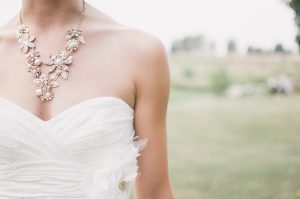
  1. If you choose two separates your wedding outfit is likely to be unique.  Whilst only the bride (one hopes!) is likely to turn up in a wedding dress, it is not usual to turn up to a wedding as a guest to find someone else in the same outfit. With separates this is far less likely to be the case.
  2. Many women find that their top half may be one size and their bottom half another. They therefore usually not only spend a lot on their wedding dress but they also spend a lot on having the dress altered (often more than once). By buying separates you can buy the perfect size without having any extra expensive alterations.
  3. By buying separates the bride is likely to be able to mix and match her wedding gear with other outfits so that she can wear her wedding day clothes again – without being mistaken for Miss Havisham!
  4. Most weddings take place in the afternoon with extra guests often being invited for the evening.  If you are wearing a two piece then you can easily change your top or bottom half for something more ‘eveningy’.  If it has been a hot day then a change of top also gives you the chance to freshen up and surprise your guests with a new look.
  5. Finally, if you are in the company of young kids (or like me you always drop food down your front when wearing anything new/expensive or pale in colour) then a separate top is a handy extra to have packed in your bag!

A final note to all those brides currently trying to hunt down their perfect wedding outfit – take someone with you who you know will give their honest opinion on what does and doesn’t suit you.  Whether it’s a close friend, relative or even a personal stylist – shopping with someone is a useful second opinion and someone to have lunch and a giggle with afterwards!

Photo by Scott Webb on Unsplash
Vintage Weddings on the Rise

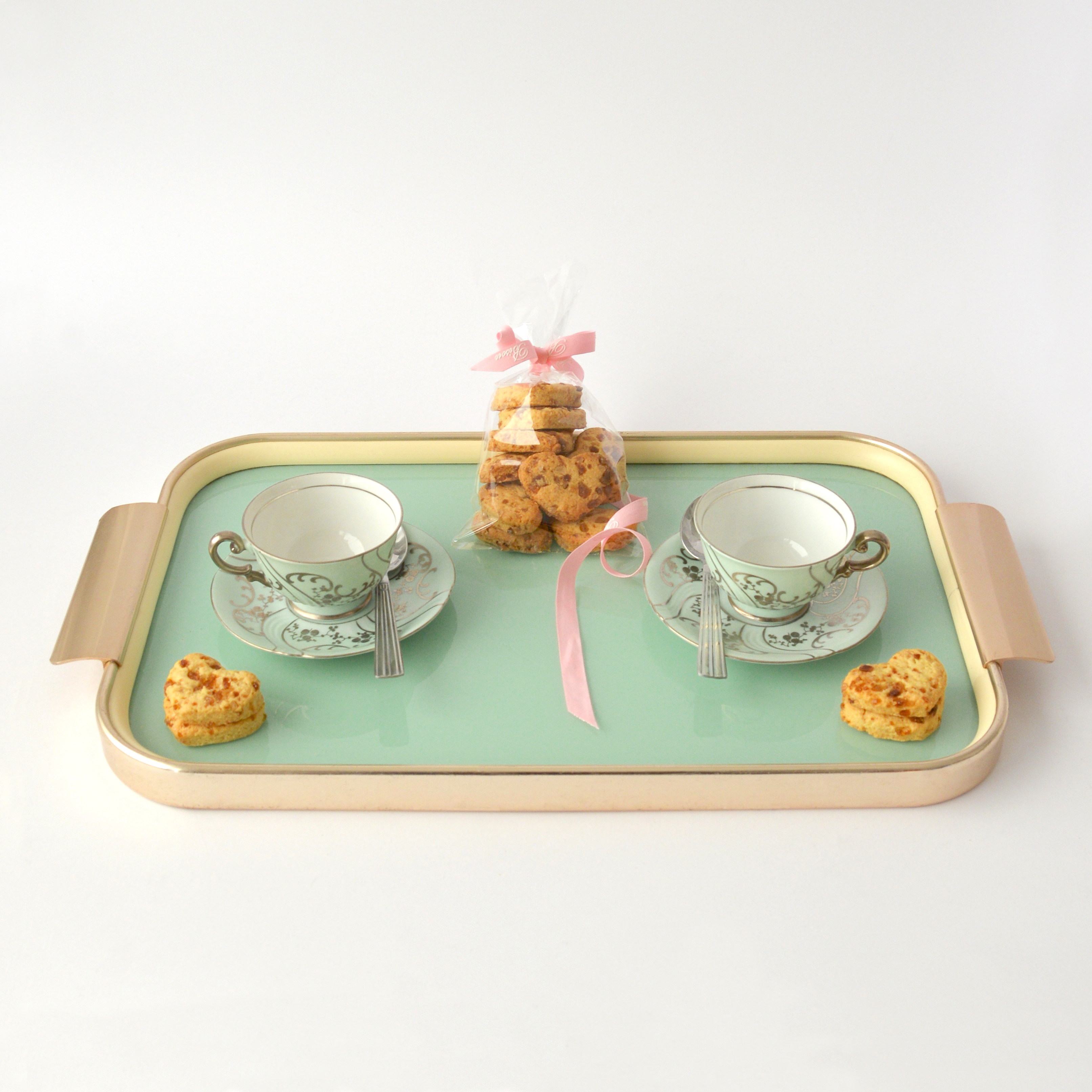
Photo of a tray with vintage teacups and heart shaped biscuits

As a lover of all things vintage I’m delighted to report that ‘vintage themed weddings’ are on the rise.  One of the advantages of a vintage wedding is that it adds a lovely twist to the day and it can be as low key or as high key as you wish!  One wedding I recently had the pleasure of conducting had a 1950’s vibe about it.  The bride looked beautiful in a 50’s dress with a nipped in waist, a short full skirt which was set off perfectly with a neat little veiled hat.  The overall effect was stunning and the dress perfectly suited both her figure and her personality.

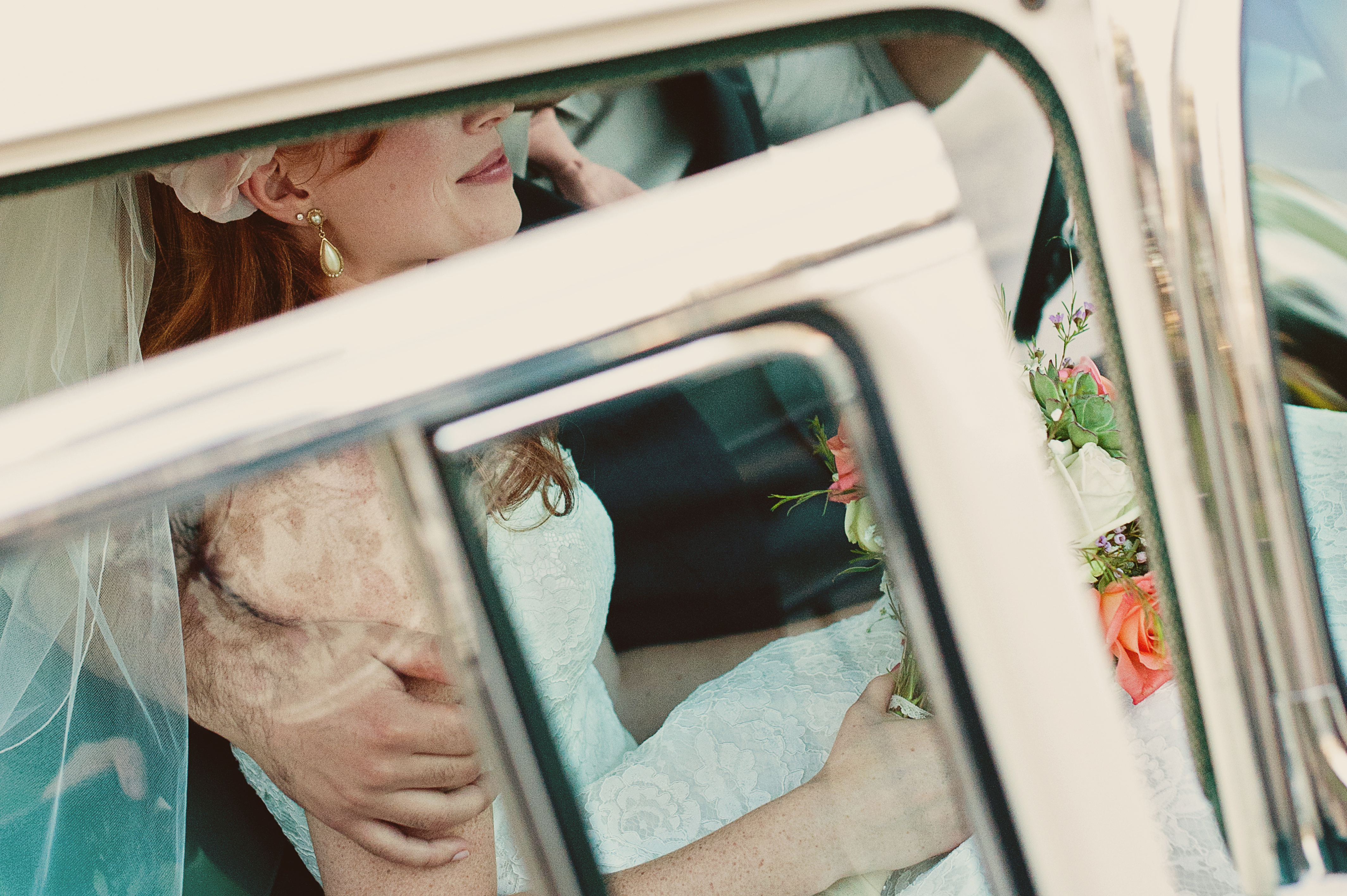
Close up photo of a bride and groom in a vintage vehicle

Another delightful (in my opinion) vintage wedding trend I have spotted is the rise in afternoon tea – which is usually served after the wedding and before the sit down evening meal.  This idea works on a number of levels – many weddings take place around 2pm which means that wedding guests (many of whom have travelled some distance) often don’t have time for any lunch.  By 4ish when the wedding is over, most people (if they are anything like me!) are starving and the offer of afternoon tea ticks many boxes.  A sandwich or scone and a  cup of tea (followed quickly by a glass of champagne obviously!) is extremely refreshing and helps revive you for the evening event.

One wedding I attended was set in a courtyard and served afternoon tea from a vintage caravan using a wide selection of floral tea cups and saucers. Bunting flapped in the breeze around us and old fashioned games like croquet were set out for guests (both young and old) to enjoy. The whole event had a lovely nostalgic feel about it and has been one of the most memorable weddings I have had the privilege of attending.

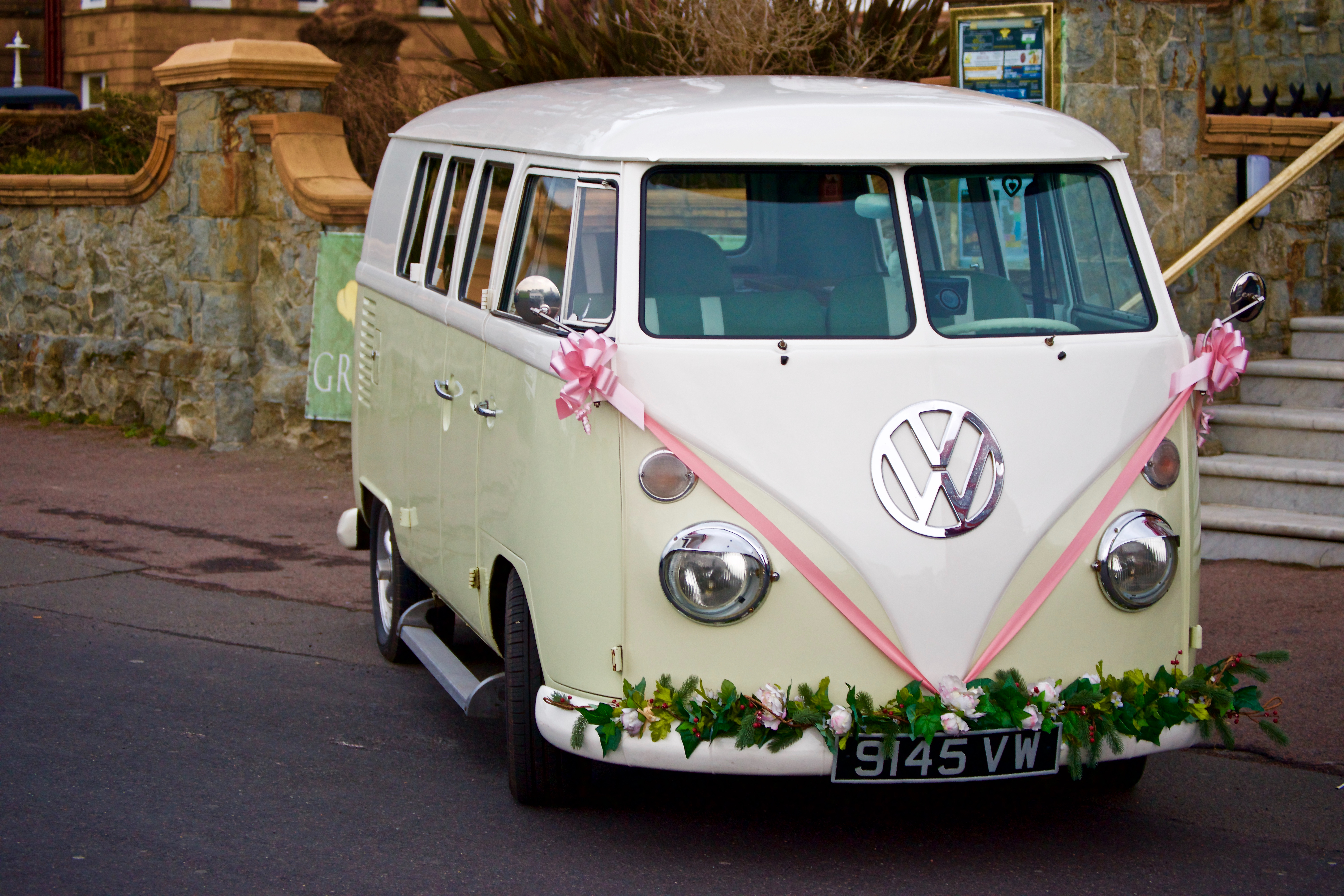
Photo of a VW camper van decorated with ribbons and flowers

A full on vintage theme may not be your scene but sometimes going back in time can help to give you inspiration when planning your day and can bring a touch of uniqueness to your wedding.

How to Save Money on Flowers at a Wedding

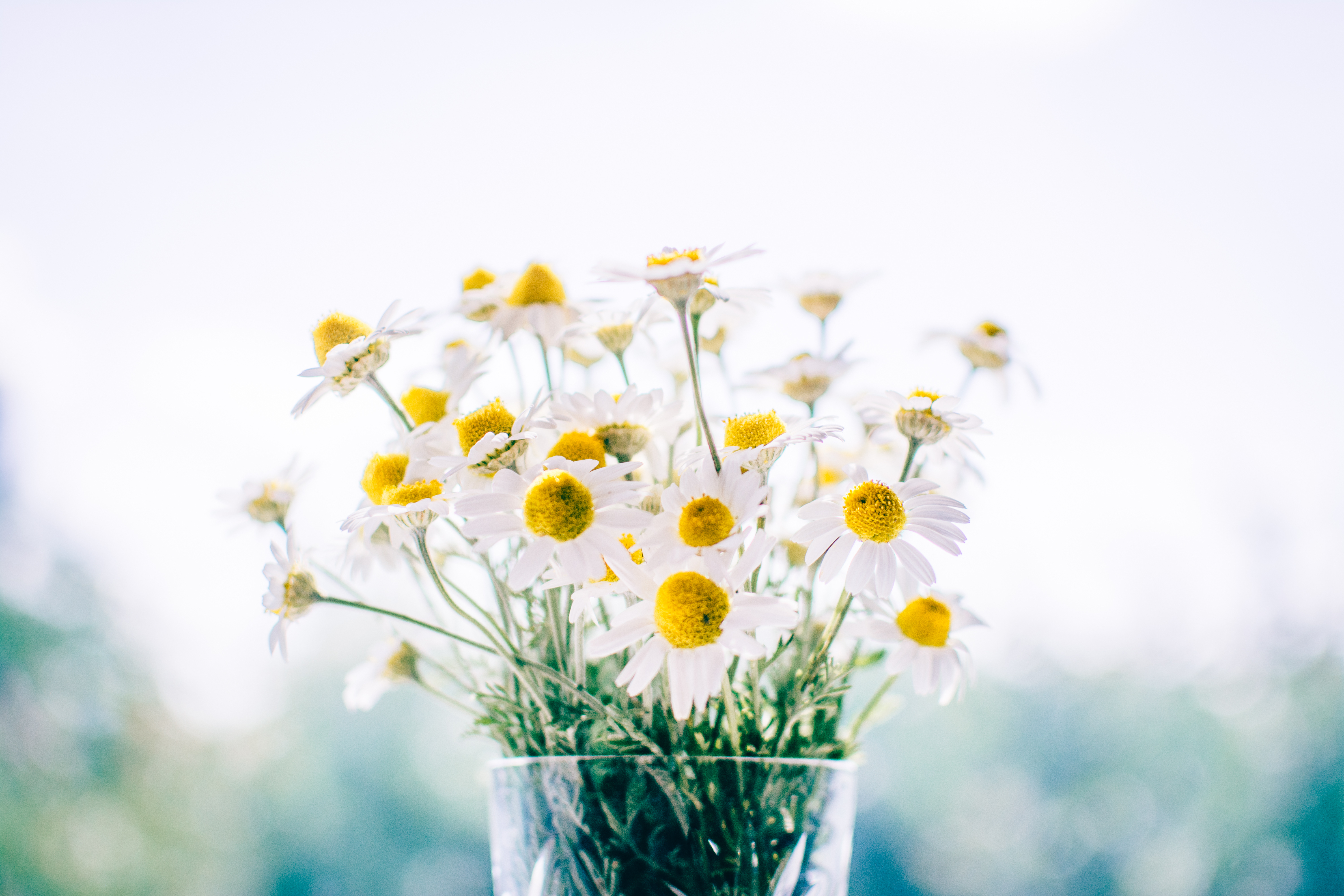
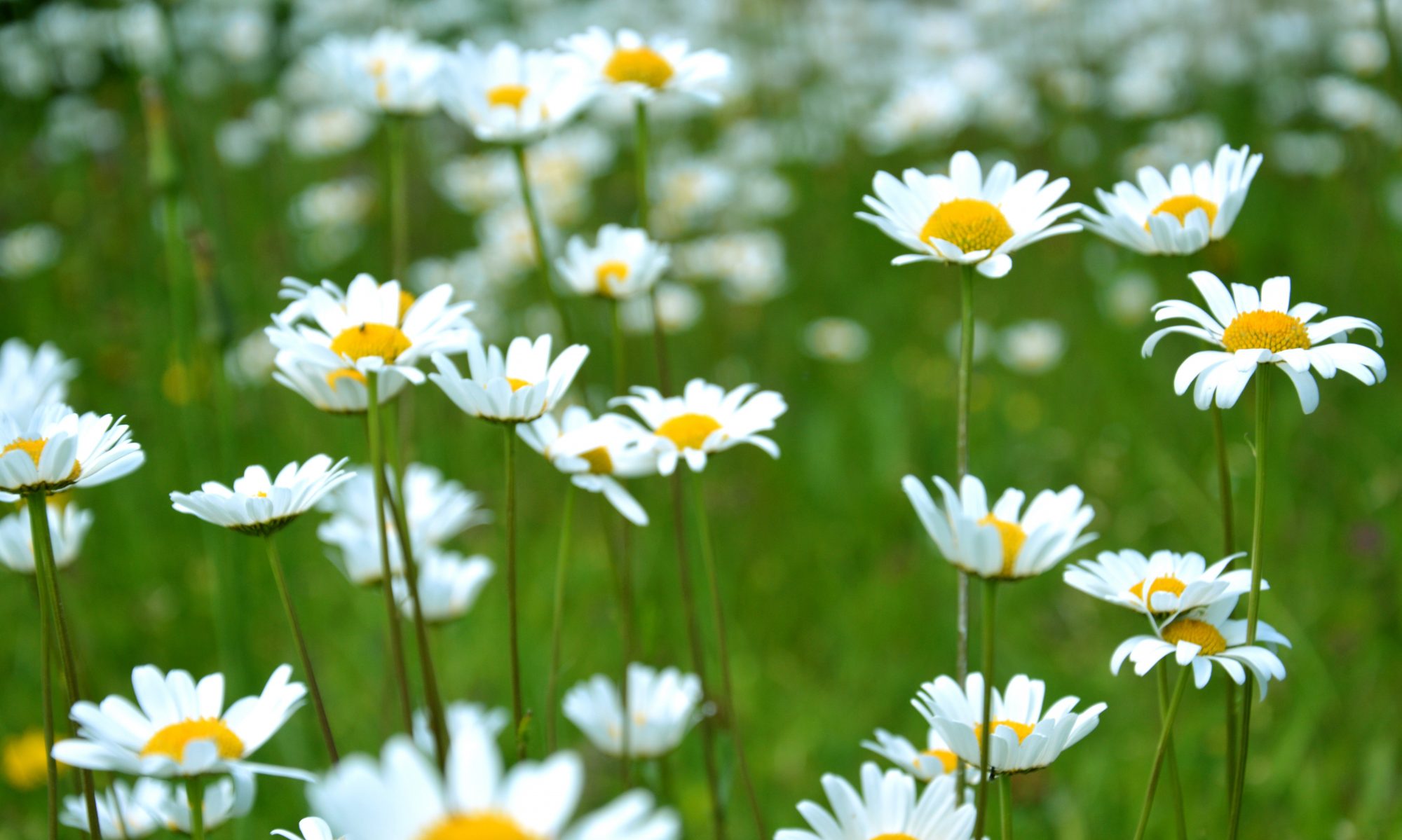
Photo of daisy type flowers in a glass vase

Having flowers at a wedding is obviously a lovely way of injecting extra colour and vibrancy to the event, however many people spend far more money than they necessarily need to.  I certainly can’t imagine a wedding without any flowers but there are ways that you can be clever and save a few pennies (or even a few hundred pounds) by thinking ‘outside of the box’.

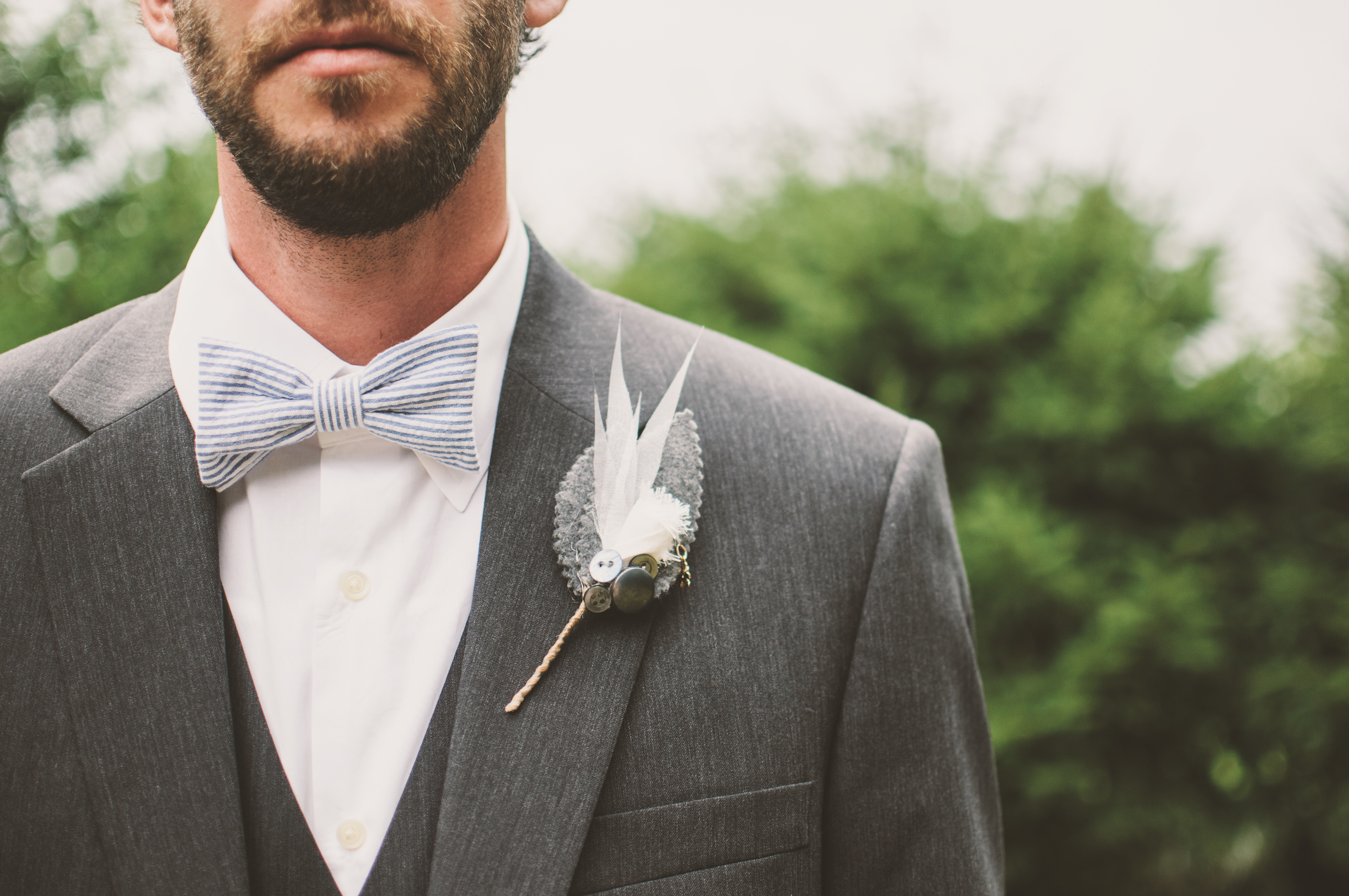
Photo of groom, closeup on flower in buttonholeHaving attended a great many weddings over the last few years I have complied a list of a few pointers you might like to think about before rushing off to the florist and placing your order.  (Please note I am not taking any credit for this list as really the credit needs to go to the financially savvy brides and grooms whose weddings I have had the privilege of conducting).

Here are a few things you may like to consider:

  • Once the bride has walked down the aisle place her bouquet on the top table/alter.  She will need her hands free for the ceremony and usually one of the bridesmaids simply ends up holding it.  Don’t waste money on a large and pricey table display when often the bride’s bouquet looks far more striking and elegant laid out on the table.
  • There has been a growing trend for knitted, crocheted or beaded bouquets and buttonholes over the last couple of years.  These have the benefit of lasting a lifetime and can be bought second hand – often in mint condition.
  • A large vase bursting with one type of flower (particularly wild flowers) can look visually striking and often make more of an impact than a large number of different flowers entwined together.  Examples I have seen include large bundles of lavender and bouquets of gypsophila.
  • Tying flowers to the end of rows in the wedding ceremony room is in my opinion a waste of money.  They may look great when the chairs are empty but as soon as your guests sit down they are quickly squashed, covered up or even knocked off.  If you do want something at the end of each row consider other options such as ribbons, lanterns or hand-made love hearts (usually made in wood/wicker or material such as fur).
  • Most people like flowers on the tables when people eat however once again there is no need to go overboard in this area.  Once people take their seats tables quickly fill up with bottles of wine, jugs of water and bread baskets.  A candle/lantern with a few rose petals sprinkled around its base is often just as striking and simply a more practical item for the table.

I hope you have found these tips useful and remember if you do save a few pounds on flowers then you can also put the money you have saved towards a more exotic honeymoon.

10 Reasons Why a Non Legal Wedding Ceremony Might be Right for You

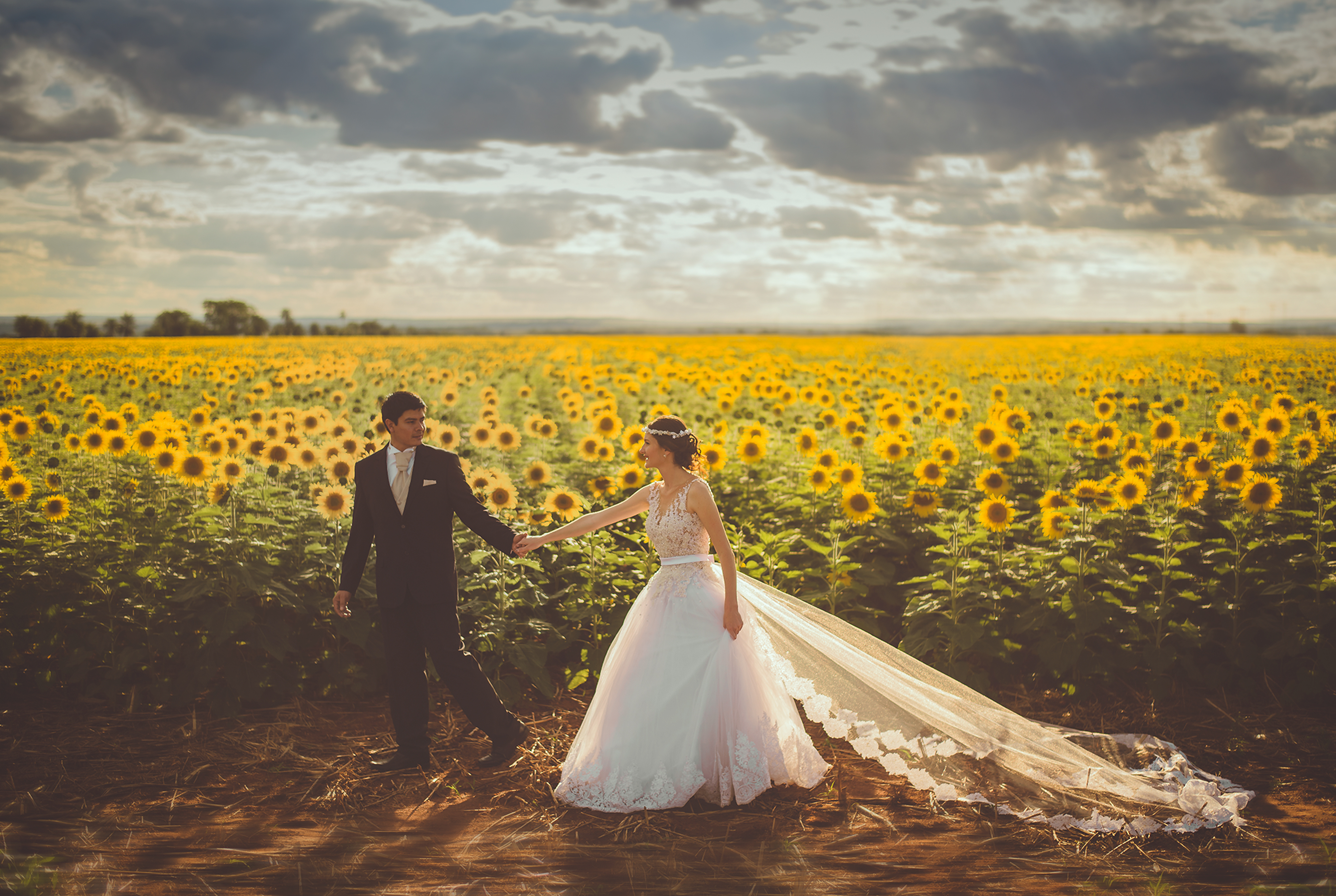
Photograph of bride and groom in a field of sunflowers

Which Type of Wedding Ceremony

When deciding on a type of wedding ceremony, most couples make the choice between a religious ceremony on the one hand, and a civil ceremony in a register office or other licenced venue on the other.  Of course this choice is driven by a number of factors including your individual religious beliefs or the availability of venues in your area, however many couples are surprised to find out that there are other options.

Non Legal Wedding Ceremonies

No I don’t mean breaking the law!  Many couples choose to have a small register office ceremony either before or after the big day, and then have their main ceremony delivered by a civil celebrant in their venue of choice surrounded by all of their family and friends.

10 Reasons to Consider a Non Legal Wedding Ceremony

  1. You can choose your own celebrant to conduct the ceremony and meet them beforehand to plan things.  In contrast, a regular civil ceremony is usually conducted by somebody you’ve never met who has only arrived around 30 minutes before the ceremony begins.
  2. You can write your own vows and promises with complete freedom.
  3. You can speak as little or as much as you want during the ceremony and even say your vows together.
  4. There are no restrictions around when you can take photographs or video during the ceremony.
  5. You can choose any readings or music you like.  Normal civil ceremonies do not permit anything that is religious in nature.
  6. Couples who have a small register office wedding either before or after their main non legal ceremony often feel more relaxed knowing that the legalities have already been taken care of (or soon will be).
  7. Your ceremony can include something different such as a unity candle or handfasting.
  8. You can have your wedding anywhere indoors or outdoors – you only need the landowner’s permission.
  9. A legal wedding must have an open doors policy (in case someone wished to object) and a notice outside the venue giving details of the wedding.  Non legal ceremonies have no such rules.
  10. You don’t have to use your full names and can simply use first names or even nicknames if you prefer.

Locket Ceremonies can plan and deliver a wedding ceremony to your exact wishes.  Just contact us to arrange a free initial consultation.

Seating Plan Ideas for Your Wedding Ceremony

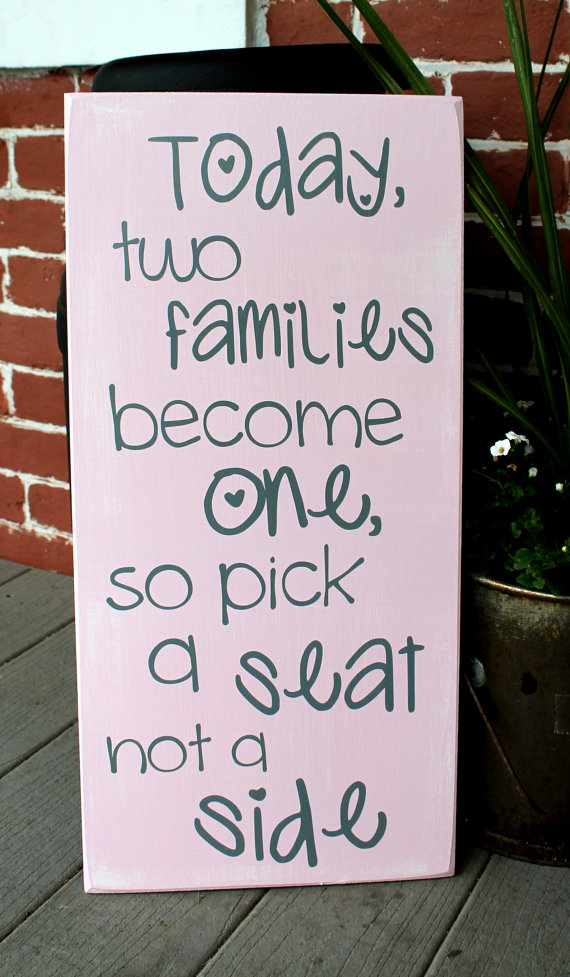
Photo of a wedding ceremony seating plan signCouples often spend many agonising hours painstakingly working out a seating plan for their evening meal but when it comes to the wedding ceremony itself they barely give it a second thought.  I can’t however stress enough how important a seating plan is for the wedding – at least for the main bridal party and close family members.  I have been at a few weddings when the couple have decided to keep the event ‘informal’ and not reserve seats for their nearest and dearest only to find that great auntie Mabel has put herself in the front row ‘for a good view’ and the bridesmaids have either had to stand up for the entire ceremony or sit halfway down the back of the room.  A ceremony can still be relaxed with a seating plan and will run far more smoothly when the bridal party enters the room.  How you ultimately decide to seat your guests is obviously your decision but I have listed below a few tips to think about if you like the idea of a seating plan:

  • Putting actual names on the seats rather than a reserved sign tends to work best and avoids any confusion.
  • Whoever walks the bride down the aisle should ideally be on the first row on the end seat – nearest the aisle.
  • Bridesmaids should ideally have seats reserved in either the first or second rows.  If you have a large number of bridesmaids then they can just be split between a couple of rows.  If the bridesmaids walk down the aisle in the order they are sitting it makes the whole process of them finding their seats a much smoother process.
  • The best man needs to be close to the groom and whenever possible should be seated in the first row.
  • Anyone doing a reading should whenever possible have a seat reserved for them (don’t forget to reserve seats for whoever might be with them ie their partner or children).  The reader should ideally be on the end of the row nearest the aisle to avoid clambering over other guests when they come up to read.
  • Most couples tend to stand during their wedding ceremony but it is always handy to have a couple of chairs tucked to one side in case you decide to sit down during the readings.  Once again names on these seats avoids any confusion as to who they are for.

Finally, traditionally weddings always tended to have the groom’s family on one side and the bride’s on the other.  If you want a more traditional ceremony and have a roughly equal number of guests on both sides then this works well.  If however, you are looking for a more modern approach and possibly one of you has a large number of guests, then it’s quite nice to put up a sign just outside the ceremony room like the one above (image credit).