Vintage Weddings on the Rise

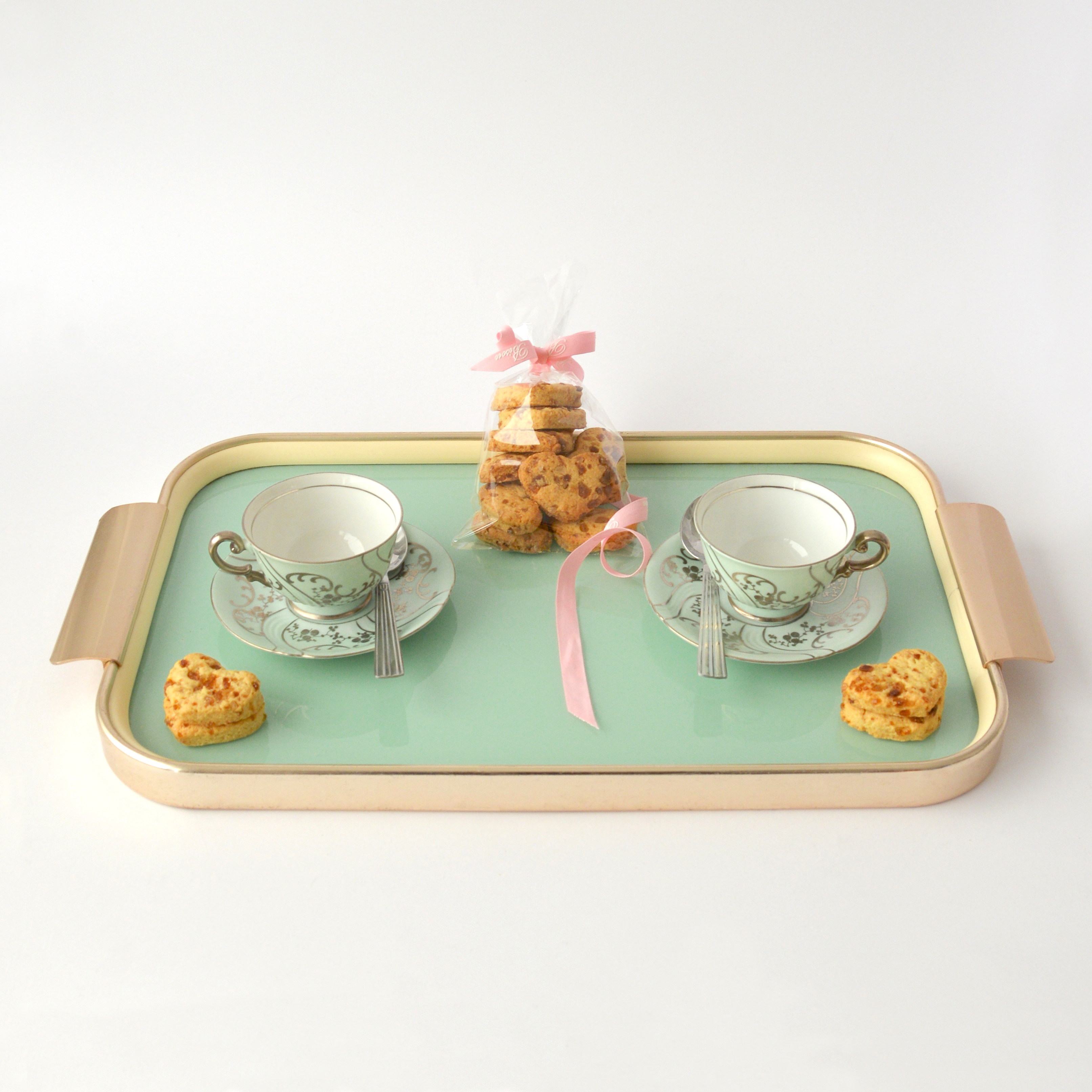
Photo of a tray with vintage teacups and heart shaped biscuits

As a lover of all things vintage I’m delighted to report that ‘vintage themed weddings’ are on the rise.  One of the advantages of a vintage wedding is that it adds a lovely twist to the day and it can be as low key or as high key as you wish!  One wedding I recently had the pleasure of conducting had a 1950’s vibe about it.  The bride looked beautiful in a 50’s dress with a nipped in waist, a short full skirt which was set off perfectly with a neat little veiled hat.  The overall effect was stunning and the dress perfectly suited both her figure and her personality.
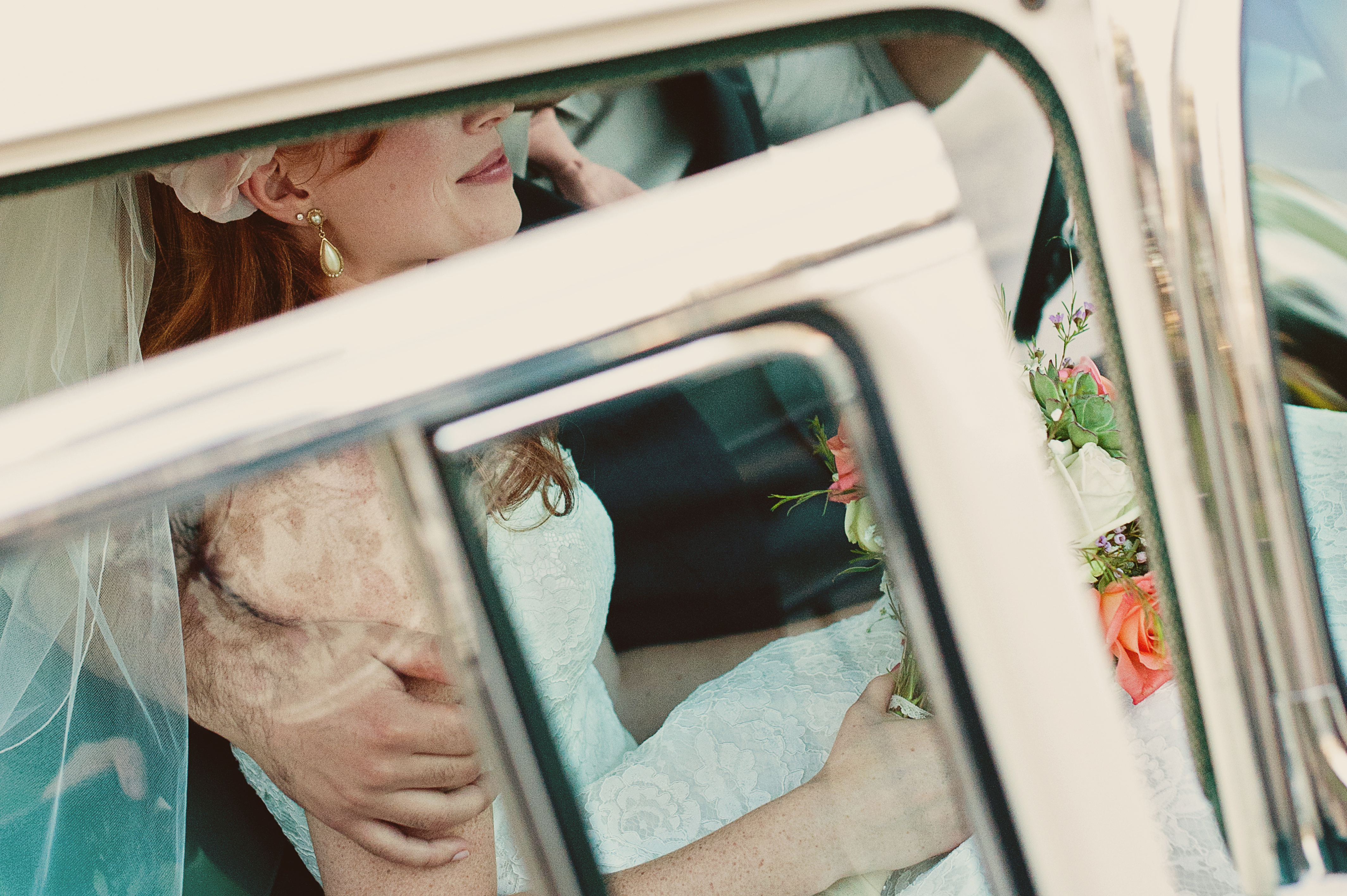
Close up photo of a bride and groom in a vintage vehicle

Another delightful (in my opinion) vintage wedding trend I have spotted is the rise in afternoon tea – which is usually served after the wedding and before the sit down evening meal.  This idea works on a number of levels – many weddings take place around 2pm which means that wedding guests (many of whom have travelled some distance) often don’t have time for any lunch.  By 4ish when the wedding is over, most people (if they are anything like me!) are starving and the offer of afternoon tea ticks many boxes.  A sandwich or scone and a  cup of tea (followed quickly by a glass of champagne obviously!) is extremely refreshing and helps revive you for the evening event.

One wedding I attended was set in a courtyard and served afternoon tea from a vintage caravan using a wide selection of floral tea cups and saucers. Bunting flapped in the breeze around us and old fashioned games like croquet were set out for guests (both young and old) to enjoy. The whole event had a lovely nostalgic feel about it and has been one of the most memorable weddings I have had the privilege of attending.
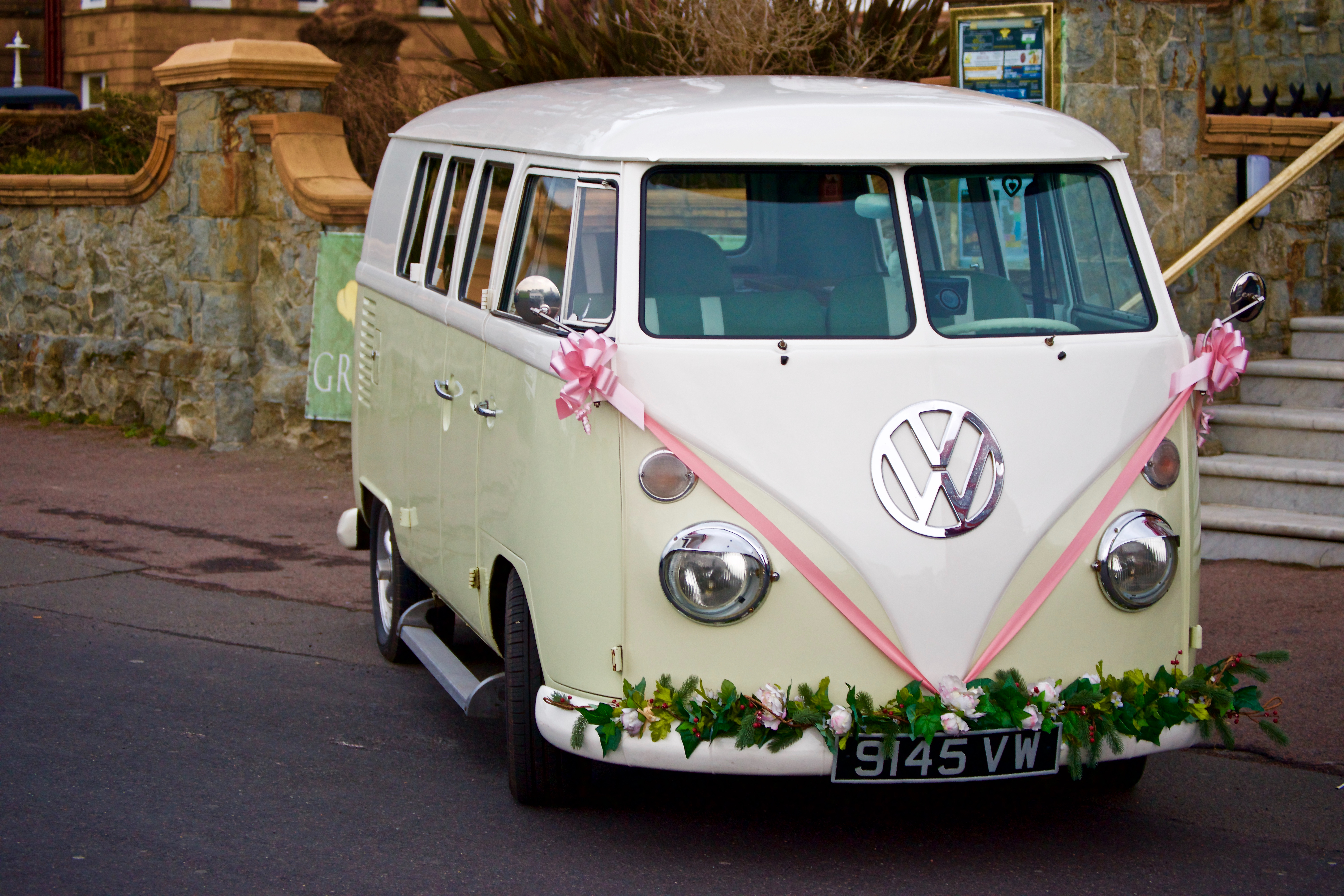
Photo of a VW camper van decorated with ribbons and flowers

A full on vintage theme may not be your scene but sometimes going back in time can help to give you inspiration when planning your day and can bring a touch of uniqueness to your wedding.
Why have a Naming Ceremony?

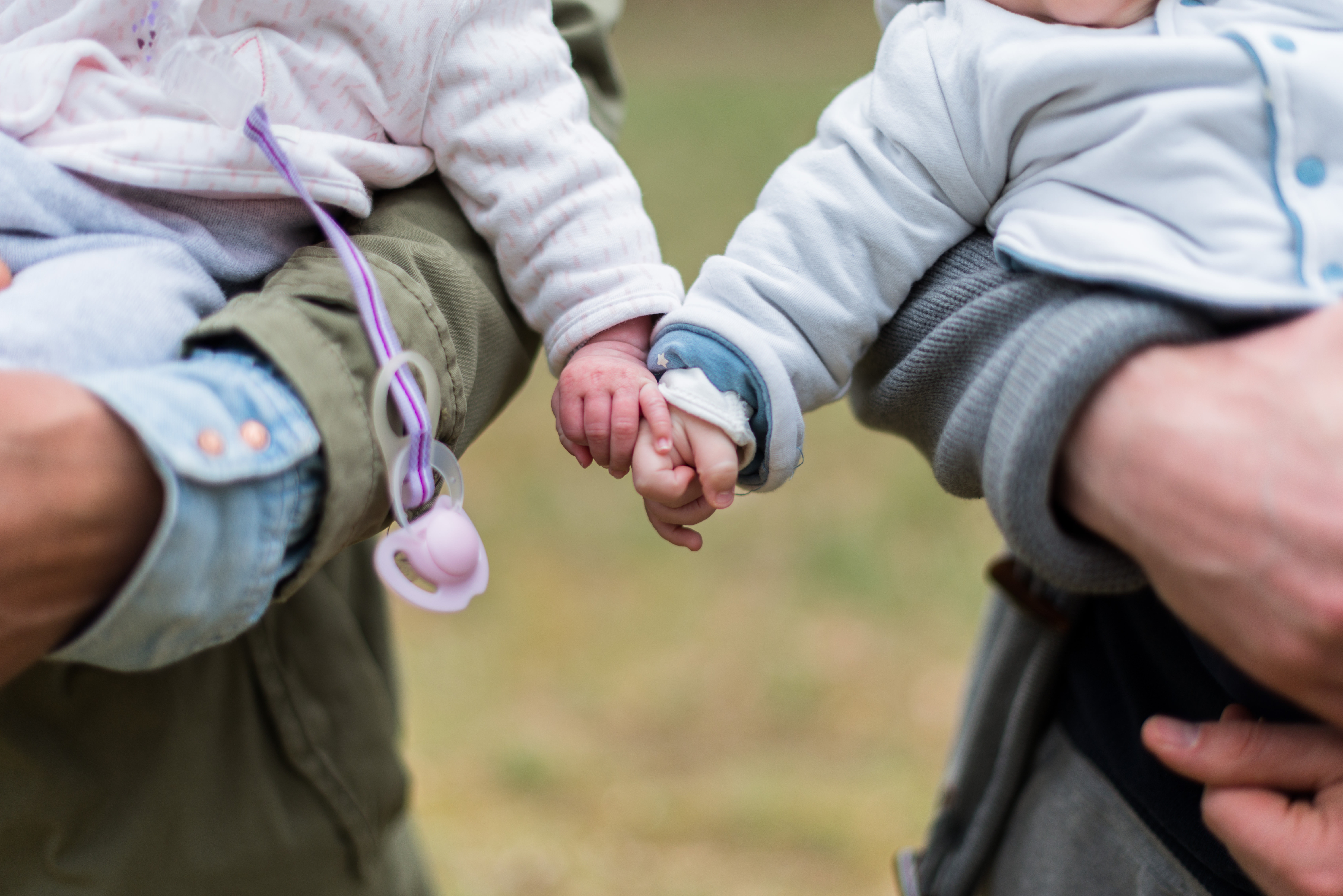
Many people presume that once they’ve given birth, the only way they can really celebrate their child’s arrival is in church with a christening.  However, not all families have strong religious beliefs and yet they still like the idea of an event that marks the arrival of their new addition – in situations like this a naming ceremony is the perfect alternative.

Unlike christenings, naming ceremonies can take place anywhere and at any time to suit you.  How about a relaxed summer celebration in a tipi, or a cosy gathering around a log fire at your favourite hotel, or even in your own home?  The ceremony itself can be as formal or informal as you wish.  A good celebrant will take the time to get to know you as a family and will work with you to write a ceremony that perfectly reflects your family’s personality and values.  There really is no set format for a naming ceremony but it may consist of a number of elements including but not limited to:

  • Readings, poems or speeches by family members, friends or the celebrant
  • The giving of a gift to the baby or the baby giving a gift to their siblings
  • Music and songs (with or without religious content – either is possible)
  • Appointment of ‘Chosen Friends’ (rather like godparents – chosen to support your child as they grow up)
  • Promises made by parents and grandparents
  • The lighting of a candle
  • Signing and presentation of a commemorative ‘Naming Certificate’.

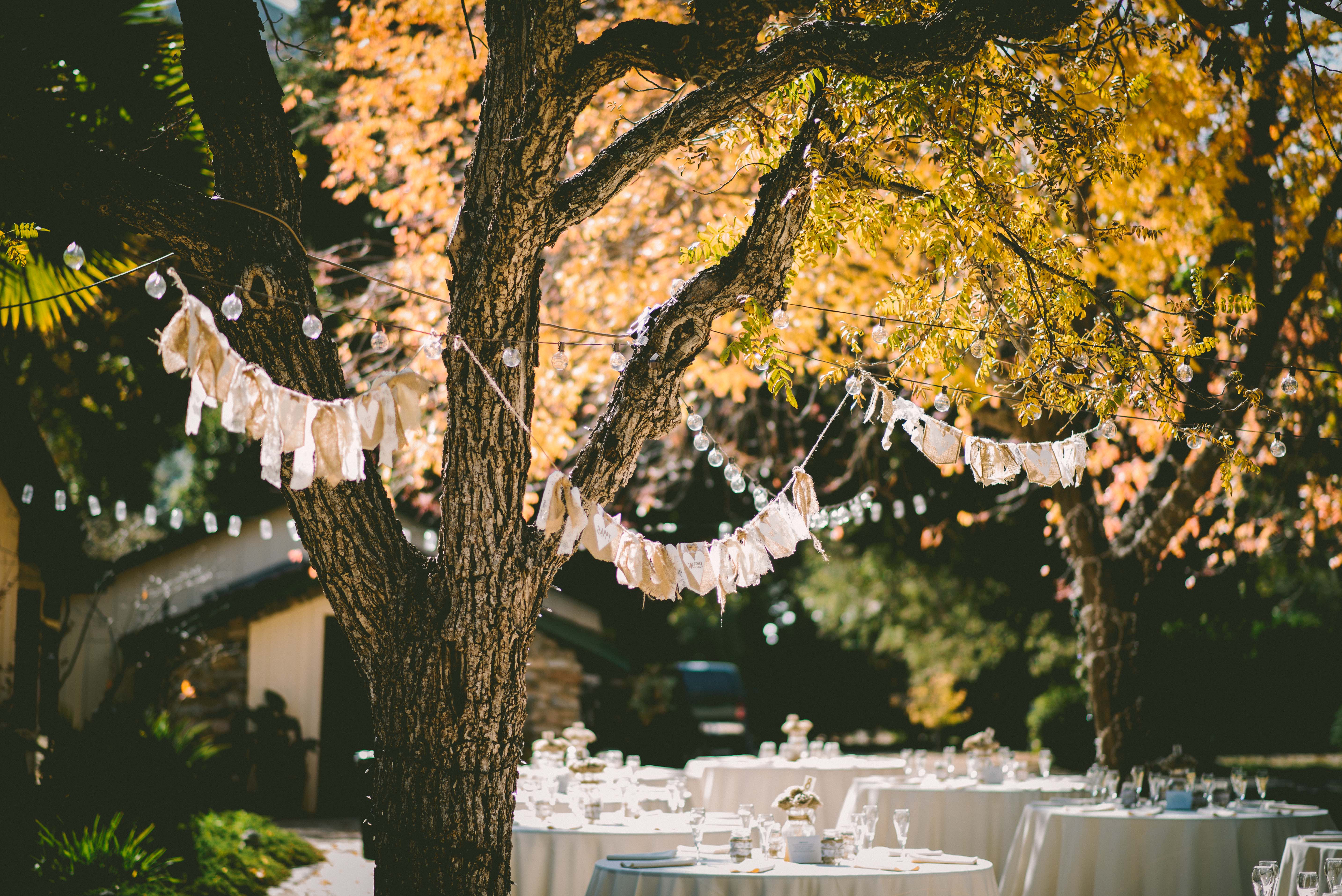
Photo of an evening wedding meal setting before the guests arrive, with bunting in the trees.

A child can have a naming ceremony at any age but most take place between 3-12 months of age.  They can also be used for adopted children or even stepchildren – helping to bring two families together.  Whatever your reasons for having a ceremony they are always joyous and positive events and a lovely way to celebrate your precious child.

Vow Renewal – Follow the Rich and Famous and Renew Yours

Close up of couple holding hands at a vow renewal ceremony. The woman wears an engagement ring.Over the last few years there has been a gradual rise in the number of couples renewing their wedding vows.  It isn’t easy to say exactly why vow renewal ceremonies are becoming more popular, but it may well be linked to the rise in high profile celebrity couples publicly renewing their love for each other.

Only last week Gary Barlow told an audience that he would like to renew his vows with his ‘amazing wife’ Dawn.  If Gary and Dawn do renew their vows then they will follow in the footsteps of other celebrity couples including:

  • David and Victoria Beckham
  • Beyoncé and Jay Z
  • Matt Damon and Luciana Barroso

Photo of an evening wedding meal setting before the guests arrive, with bunting in the trees.

Many couples link a vow renewal ceremony with a milestone wedding anniversary, while some enjoy renewing their vows so much that they celebrate every wedding anniversary with a ceremony.  Whatever a couple’s reason for renewing their vows it’s a lovely way to celebrate their love for each other with family and friends – and a great excuse for a party!

Seating Plan Ideas for Your Wedding Ceremony

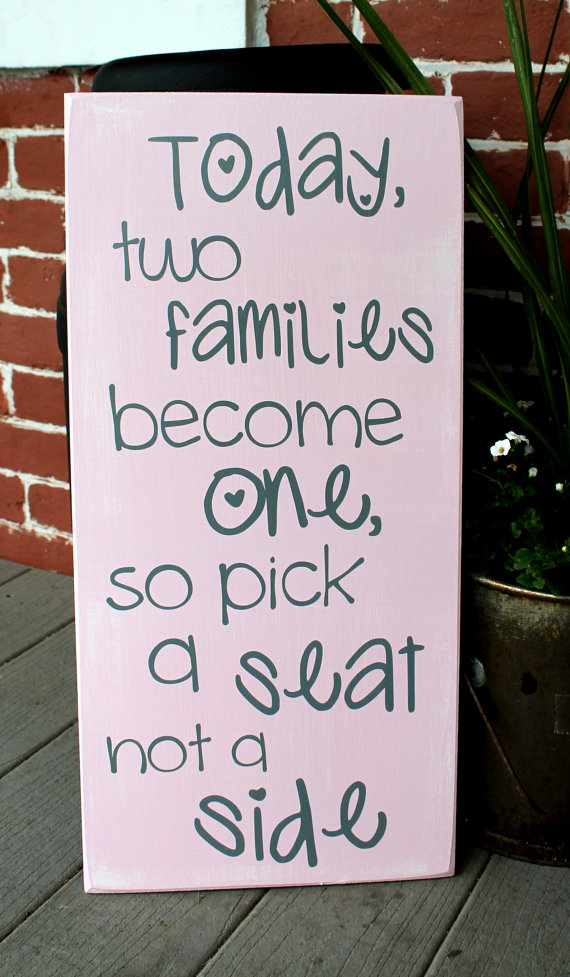
Photo of a wedding ceremony seating plan signCouples often spend many agonising hours painstakingly working out a seating plan for their evening meal but when it comes to the wedding ceremony itself they barely give it a second thought.  I can’t however stress enough how important a seating plan is for the wedding – at least for the main bridal party and close family members.  I have been at a few weddings when the couple have decided to keep the event ‘informal’ and not reserve seats for their nearest and dearest only to find that great auntie Mabel has put herself in the front row ‘for a good view’ and the bridesmaids have either had to stand up for the entire ceremony or sit halfway down the back of the room.  A ceremony can still be relaxed with a seating plan and will run far more smoothly when the bridal party enters the room.  How you ultimately decide to seat your guests is obviously your decision but I have listed below a few tips to think about if you like the idea of a seating plan:

  • Putting actual names on the seats rather than a reserved sign tends to work best and avoids any confusion.
  • Whoever walks the bride down the aisle should ideally be on the first row on the end seat – nearest the aisle.
  • Bridesmaids should ideally have seats reserved in either the first or second rows.  If you have a large number of bridesmaids then they can just be split between a couple of rows.  If the bridesmaids walk down the aisle in the order they are sitting it makes the whole process of them finding their seats a much smoother process.
  • The best man needs to be close to the groom and whenever possible should be seated in the first row.
  • Anyone doing a reading should whenever possible have a seat reserved for them (don’t forget to reserve seats for whoever might be with them ie their partner or children).  The reader should ideally be on the end of the row nearest the aisle to avoid clambering over other guests when they come up to read.
  • Most couples tend to stand during their wedding ceremony but it is always handy to have a couple of chairs tucked to one side in case you decide to sit down during the readings.  Once again names on these seats avoids any confusion as to who they are for.

Finally, traditionally weddings always tended to have the groom’s family on one side and the bride’s on the other.  If you want a more traditional ceremony and have a roughly equal number of guests on both sides then this works well.  If however, you are looking for a more modern approach and possibly one of you has a large number of guests, then it’s quite nice to put up a sign just outside the ceremony room like the one above (image credit).