Many people presume that once they’ve given birth, the only way they can really celebrate their child’s arrival is in church with a christening. However, not all families have strong religious beliefs and yet they still like the idea of an event that marks the arrival of their new addition – in situations like this a naming ceremony is the perfect alternative.
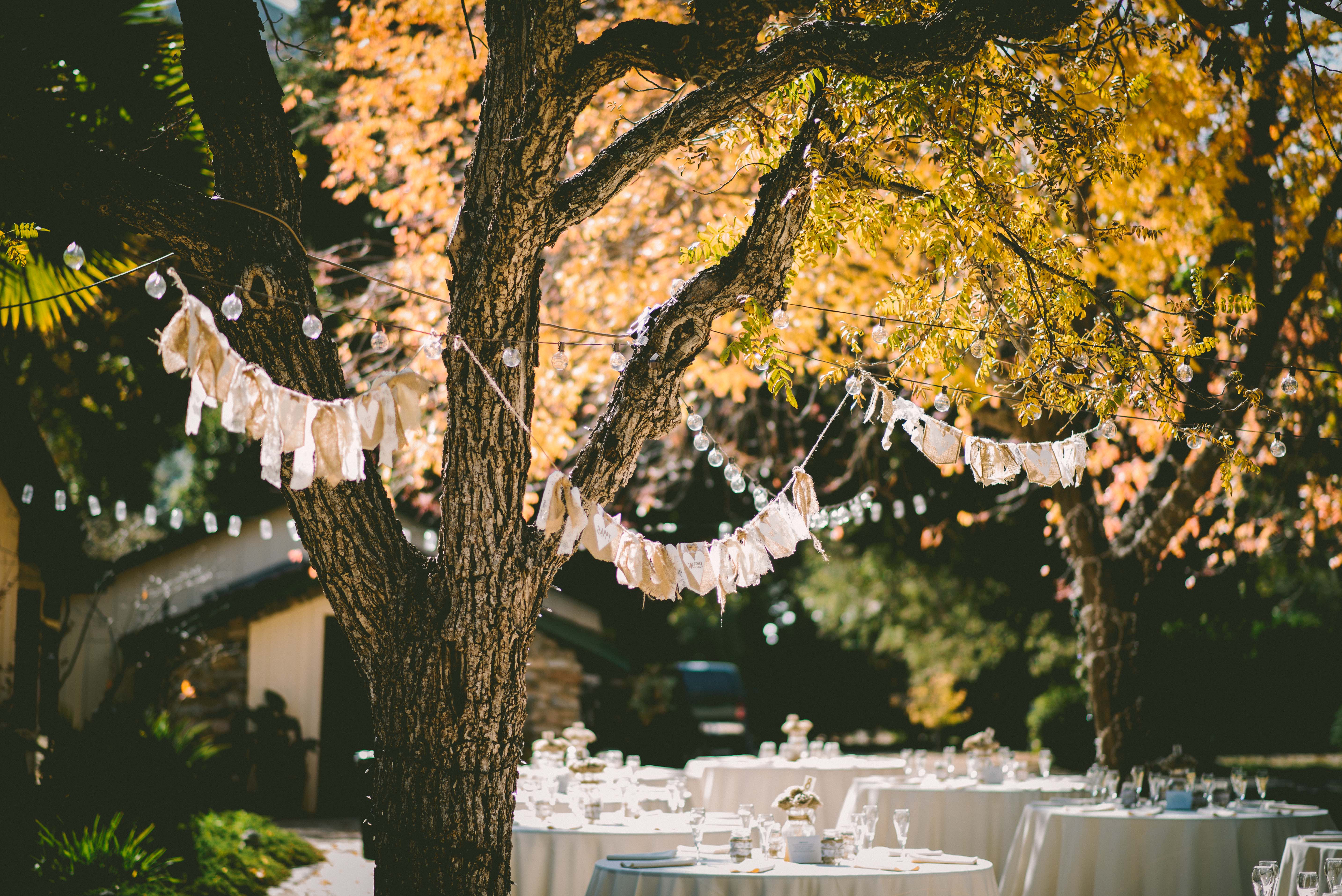
Unlike christenings, naming ceremonies can take place anywhere and at any time to suit you. How about a relaxed summer celebration in a tipi, or a cosy gathering around a log fire at your favourite hotel, or even in your own home? The ceremony itself can be as formal or informal as you wish. A good celebrant will take the time to get to know you as a family and will work with you to write a ceremony that perfectly reflects your family’s personality and values. There really is no set format for a naming ceremony but it may consist of a number of elements including but not limited to:
- Readings, poems or speeches by family members, friends or the celebrant
- The giving of a gift to the baby or the baby giving a gift to their siblings
- Music and songs (with or without religious content – either is possible)
- Appointment of ‘Chosen Friends’ (rather like godparents – chosen to support your child as they grow up)
- Promises made by parents and grandparents
- The lighting of a candle
- Signing and presentation of a commemorative ‘Naming Certificate’.
A child can have a naming ceremony at any age but most take place between 3-12 months of age. They can also be used for adopted children or even stepchildren – helping to bring two families together. Whatever your reasons for having a ceremony they are always joyous and positive events and a lovely way to celebrate your precious child.